
Can Concrete Cancer Be Stopped Permanently?
One of the most common questions property owners ask after discovering concrete cancer is whether it can be repaired permanently.
The answer is yes—but only if the underlying cause of the deterioration is properly addressed.
Concrete cancer is not simply damaged concrete. It is the result of reinforcing steel corroding beneath the surface. Unless the factors that caused the corrosion are identified and managed, deterioration can continue to develop long after the visible damage has been repaired.
Understanding why concrete cancer occurs is the key to achieving a long-lasting repair.
What Causes Concrete Cancer?
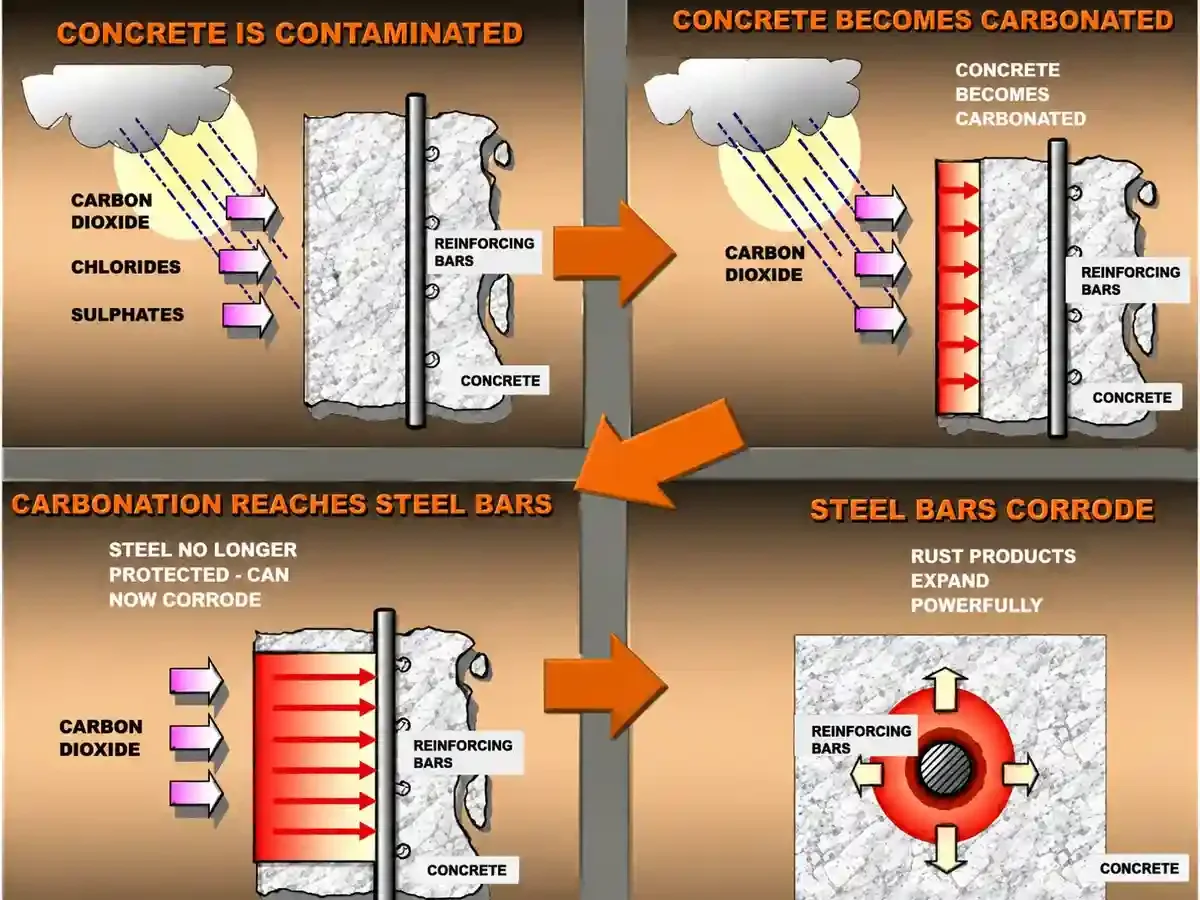
Concrete naturally protects reinforcing steel by providing a highly alkaline environment that prevents corrosion. Over time, this protection can be lost as a result of carbonation, chloride contamination or a combination of both. Cracks, inadequate waterproofing and prolonged moisture exposure can accelerate these processes by allowing aggressive contaminants to penetrate the concrete more quickly.
Once the protective environment surrounding the reinforcement is compromised, corrosion begins.
As reinforcing steel rusts, it expands significantly in volume, creating pressure within the surrounding concrete. This eventually causes cracking, delamination and concrete spalling—commonly referred to as concrete cancer.
Repairing the damaged concrete without addressing the cause of the corrosion is unlikely to provide a permanent solution.
Why Some Concrete Cancer Repairs Fail
Not all concrete repairs are equal.
In many cases, repairs fail because they only address the visible symptoms rather than the underlying deterioration mechanism.
Common reasons repairs fail include:
Corroded reinforcement is not cleaned or replaced where required.
Chloride-contaminated or carbonated concrete remains around the repair.
Cracks that allowed moisture to enter are left untreated.
Waterproofing failures are not repaired.
Protective coatings are not reinstated.
Corrosion has already spread beyond the visibly damaged area.
Although the repaired section may initially appear sound, corrosion can continue in the surrounding concrete, eventually causing new areas of cracking and spalling.
What makes a Permanent Concrete Cancer Repair?
A permanent repair is one that not only restores the damaged concrete but also addresses the conditions that allowed reinforcement corrosion to occur.
While every structure is different, permanent repairs typically involve:
Removing all unsound and contaminated concrete surrounding the affected reinforcement.
Cleaning or replacing reinforcing steel where required.
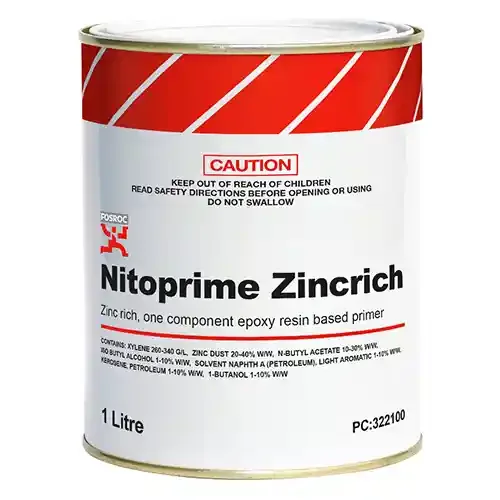
Treating the reinforcement with an appropriate corrosion protection system where specified.
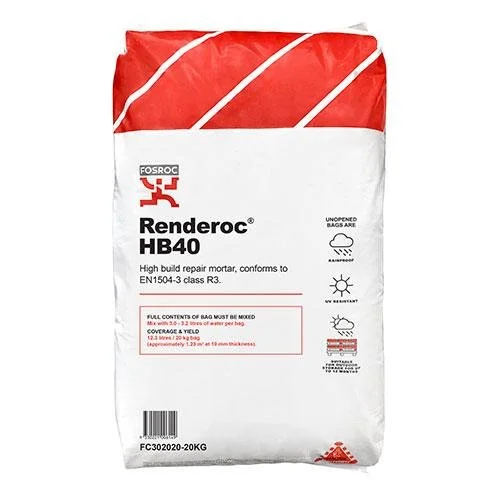
Reinstating the concrete using a compatible repair mortar or form-and-pour repair system.
Repairing cracks or defects that allow moisture to penetrate the concrete.
Restoring waterproofing systems where required.
Applying protective coatings where appropriate to reduce future moisture, carbon dioxide and chloride ingress.
The objective is not simply to repair the damaged area but to slow or eliminate the factors that initiated corrosion in the first place.
Can Concrete Cancer Return?
It can.
Concrete cancer is not a contagious defect, but reinforcing steel in surrounding areas may already be exposed to the same conditions that caused the original deterioration. For example, if a balcony has experienced reinforcement corrosion due to a failed waterproof membrane, repairing the spalled concrete without replacing the waterproofing may allow corrosion to continue developing elsewhere within the slab.
Similarly, if widespread carbonation or chloride contamination exists throughout the structure, repairing isolated patches may not prevent future deterioration in adjacent areas.
This is why diagnosing the underlying cause is just as important as carrying out the repair itself.
Extending the Life of Existing Structures
Although no reinforced concrete structure lasts forever, appropriate maintenance can significantly extend its service life. For existing buildings, important maintenance measures include:
Routine Condition Inspections
Regular inspections help identify cracking, rust staining and localised deterioration before corrosion becomes widespread.
Repair Cracks Early
Concrete cracks provide pathways for moisture, oxygen, chlorides and carbon dioxide to reach the reinforcement. Repairing cracks promptly helps preserve the durability of the structure.
Maintain Waterproofing Systems
Balconies, roof slabs, planter boxes and podium decks rely on waterproof membranes to prevent water entering the concrete. Ensuring these systems haven’t failed and repairing them promptly if they have is one of the most effective ways to reduce the risk of reinforcement corrosion.
Maintain Protective Coating Systems
Protective coatings and anti-carbonation coatings help reduce the penetration of moisture, carbon dioxide and chlorides into the concrete. Periodic inspection and recoating can significantly extend the life of exposed reinforced concrete.
Address Defects Before They Spread
Small areas of concrete cancer are generally far less expensive to repair than widespread structural deterioration. Early intervention often prevents extensive concrete removal and reinforcement replacement.
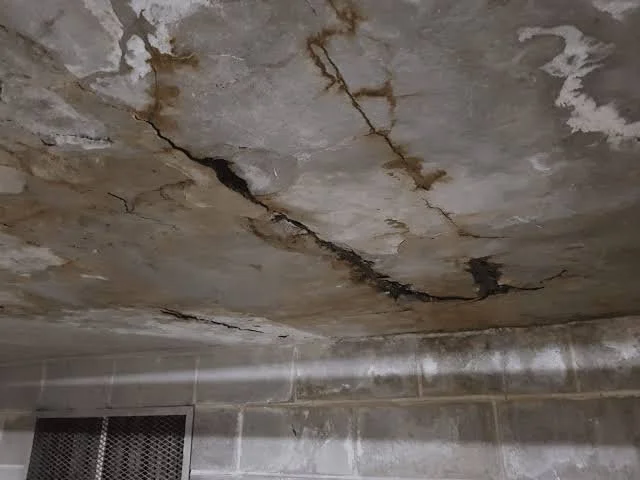
A perfect example of cracks, rust and efflorescence (credit WS Remedial Group)
Is Concrete Cancer Always Repairable?
In the vast majority of cases, yes.
Even significant areas of deterioration can often be repaired successfully using modern concrete repair techniques.
However, the long-term success of any repair depends on understanding why the deterioration occurred and implementing a repair strategy that addresses both the visible damage and its underlying cause. A well-designed repair can restore structural integrity, improve durability and extend the service life of a reinforced concrete structure for many years.
Need Help Repairing Concrete Cancer?
If you've noticed rust staining, cracking, hollow sounding concrete or concrete spalling, early intervention can prevent more extensive deterioration and reduce long-term repair costs.
At TruBond Concrete Repairs, we specialise in diagnosing the underlying causes of concrete cancer before recommending a tailored repair solution. From localised patch repairs and reinforcement treatment to structural concrete restoration, waterproofing remediation and protective coating systems, we deliver durable repairs designed to maximise the service life of reinforced concrete structures across Sydney.