
Reinforcement corrosion is one of the leading causes of deterioration in reinforced concrete structures, particularly those exposed to coastal and marine environments. Buildings, bridges, wharves and other concrete assets located near the ocean are continually exposed to airborne salts, moisture and chloride contamination, which can progressively compromise the protective environment surrounding embedded steel reinforcement.
Conventional concrete cancer repairs typically involve removing deteriorated concrete, treating or replacing corroded reinforcement and reinstating the affected area with a suitable repair mortar. While this approach addresses the visible damage, it does not necessarily prevent corrosion from continuing in the surrounding original concrete.
Galvanic anodes provide an additional level of corrosion protection by actively reducing corrosion of embedded reinforcing steel. When correctly designed and installed, these systems can significantly extend the service life of concrete repairs and help preserve existing reinforced concrete structures in aggressive environments.
Galvanic protection can also be incorporated into new construction, particularly marine infrastructure and structures designed for extended service lives where future access for maintenance may be difficult or expensive.
What Are Galvanic Anodes?
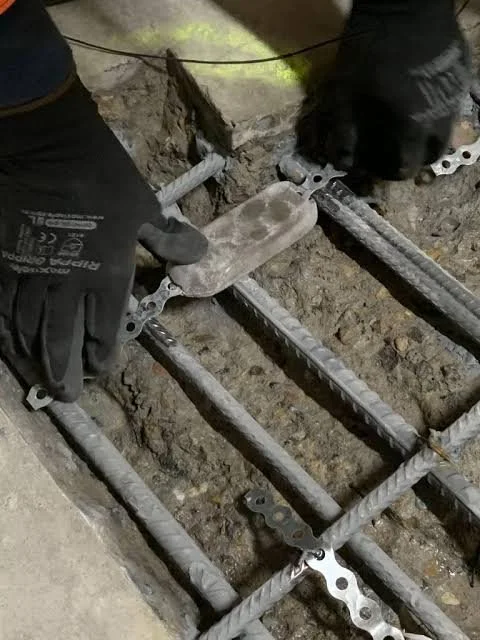
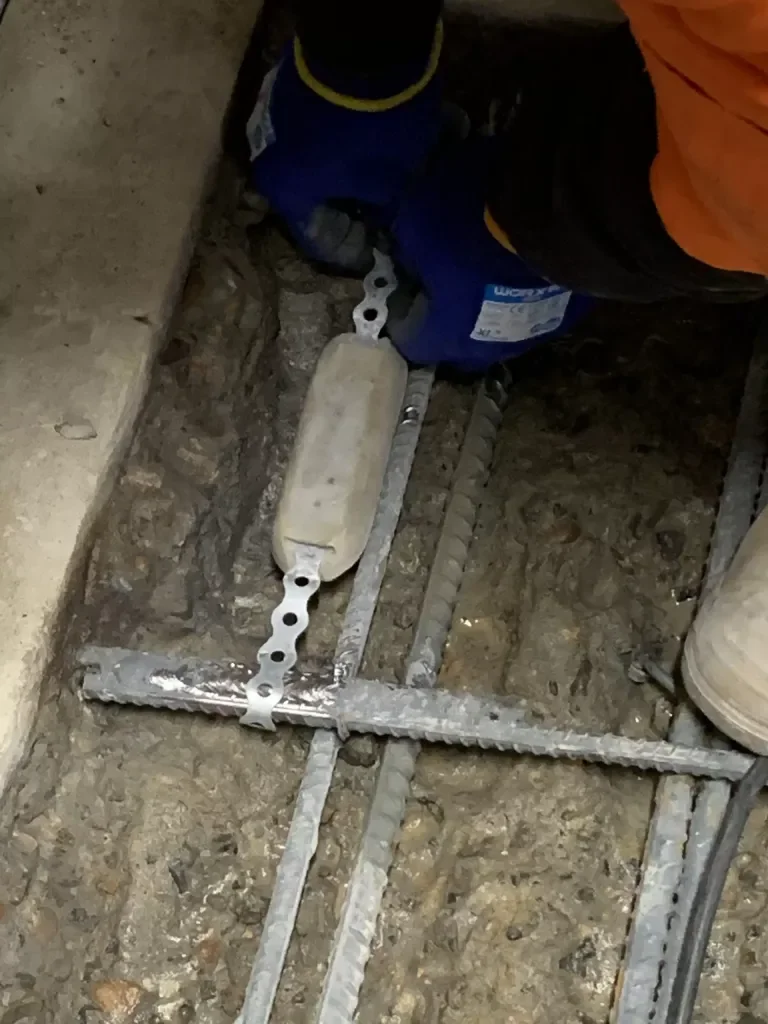
Galvanic anodes, also known as sacrificial anodes, are corrosion protection devices typically manufactured from zinc. They are electrically connected to the reinforcing steel within a concrete structure and designed to corrode preferentially, reducing corrosion activity on the surrounding reinforcement.
This process is known as galvanic cathodic protection.
Under normal conditions, the high alkalinity of concrete creates a passive protective layer around embedded steel reinforcement. However, when chloride contamination or carbonation compromises this protective layer, corrosion can begin in the presence of sufficient moisture and oxygen.
Galvanic anodes introduce a more electrochemically active metal into the system. Because zinc has a greater tendency to corrode than steel, it acts as the anode, supplying a protective electrical current to the connected reinforcement.
As the zinc gradually corrodes, the steel receives electrons and becomes cathodically polarised, reducing the rate at which iron dissolves and corrosion progresses.
Unlike impressed current cathodic protection (ICCP), galvanic anodes generate their own protective current and do not require an external electrical power supply.
Why Marine Environments Accelerate Concrete Corrosion
Coastal environments are particularly aggressive towards reinforced concrete because of the presence of chloride salts originating from seawater. These chlorides can enter concrete through airborne salt deposition, wind-driven rain, seawater spray and direct exposure to tidal water. Over time, chloride ions migrate through the concrete's pore structure and can accumulate around the embedded reinforcement.
Once chloride concentrations become sufficient to destabilise the protective passive layer surrounding the steel, localised corrosion can initiate. As corrosion progresses, the resulting rust products occupy greater volume than the original steel, generating internal pressure within the surrounding concrete. This eventually causes cracking, delamination and spalling, commonly referred to as concrete cancer. Marine structures are particularly vulnerable in splash and tidal zones, where repeated wetting and drying can accelerate chloride ingress and corrosion activity.
For existing buildings, the problem is compounded by the fact that chloride contamination may already extend well beyond the visibly deteriorated concrete. Removing and replacing isolated spalled areas therefore does not necessarily eliminate the conditions responsible for future corrosion.
The Incipient Anode Effect: Why Concrete Cancer Can Return After Repairs
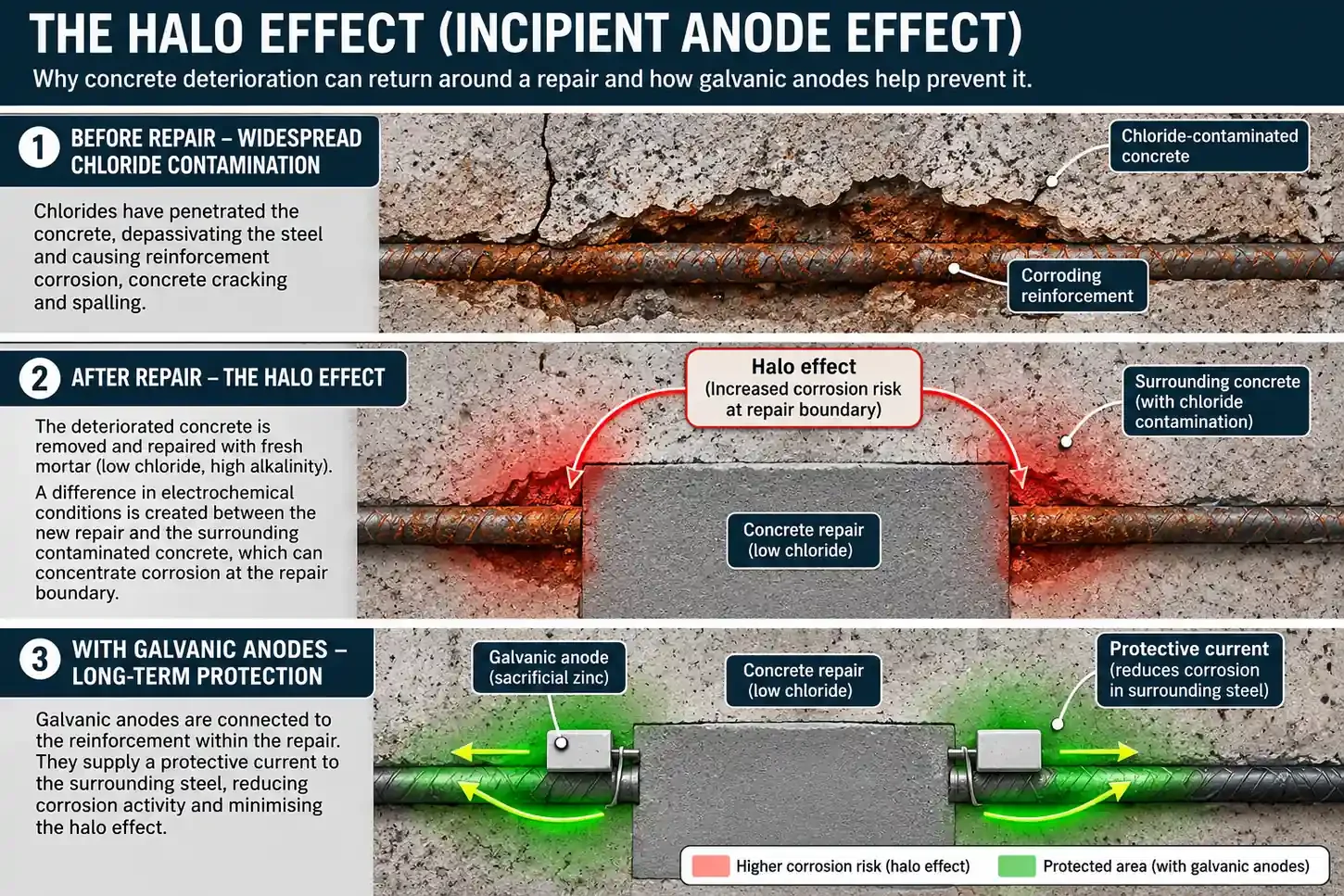
One of the most important applications of galvanic anodes is preventing the incipient anode effect, sometimes called the ring anode or halo effect. When a concrete cancer repair is undertaken, the deteriorated concrete is removed and replaced with fresh repair mortar. The new material generally has low chloride contamination and high alkalinity, providing a more favourable environment for the reinforcement within the repaired area. However, the surrounding original concrete may still contain significant chloride contamination or carbonation.
The difference in electrochemical conditions between the repaired area and the surrounding concrete can contribute to corrosion becoming concentrated immediately outside the repair boundary. This can result in new cracking and spalling developing around the perimeter of an otherwise successful concrete repair.
Galvanic anodes help reduce this risk by supplying protective current to reinforcement within the adjacent original concrete. Rather than allowing corrosion to become concentrated around the repair boundary, the sacrificial zinc anodes corrode preferentially, reducing the corrosion activity of the surrounding steel. This is particularly valuable for coastal buildings where chloride contamination is widespread but visible concrete deterioration remains localised.
Galvanic Anodes in Existing Concrete Cancer Repairs
For existing reinforced concrete buildings, galvanic anodes are most commonly incorporated into conventional concrete cancer repairs. Following removal of the deteriorated concrete and preparation of the exposed reinforcement, discrete galvanic anodes can be installed around the repair perimeter and electrically connected to the reinforcing steel. The anodes are then encapsulated within a compatible cementitious repair material, allowing protective current to pass through the concrete pore solution to the adjacent reinforcement.
Typical applications include balcony soffits, suspended slabs, beams, columns, building façades and other reinforced concrete elements affected by localised reinforcement corrosion. Their greatest benefit is often not the protection of the newly repaired concrete itself, but the reduction of corrosion activity in the surrounding original concrete, where chloride contamination or carbonation may remain present.
For strata buildings and commercial properties, incorporating galvanic anodes into selected concrete repairs can help reduce the likelihood of repeated deterioration around repair boundaries, potentially lowering long-term maintenance costs.
Installing Galvanic Anodes in Sound Existing Concrete
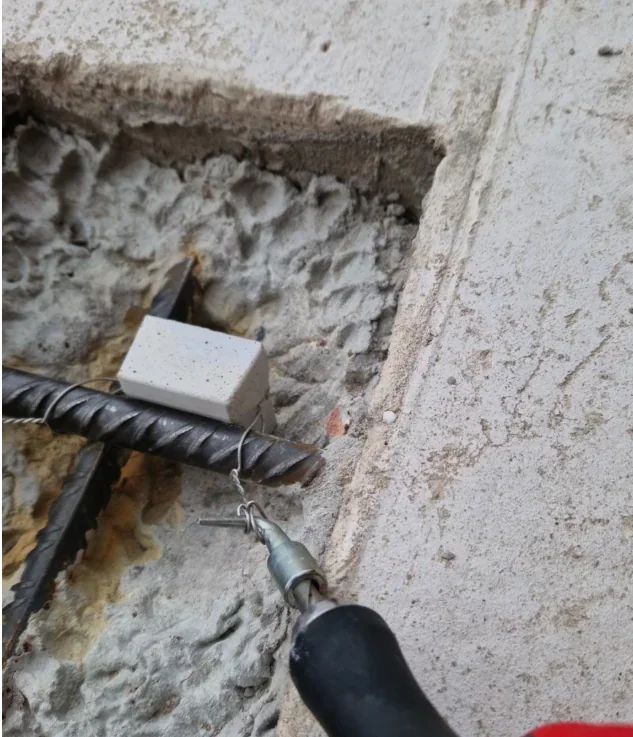
Galvanic protection is not limited to areas where concrete has already spalled. Where testing identifies significant chloride contamination or corrosion risk within otherwise sound concrete, certain galvanic anode systems can be installed into drilled cavities without undertaking extensive concrete demolition.
These systems use discrete anodes positioned at engineered intervals and electrically connected to the reinforcement. Once installed, they provide protective current to surrounding steel, helping to control corrosion before substantial cracking or spalling develops. This approach may be particularly useful for marine-exposed columns, bridge elements, parking structures and other concrete assets where widespread chloride contamination is present but much of the concrete remains structurally sound.
The effectiveness of these systems depends on the anode design, reinforcement arrangement, concrete resistivity and environmental conditions. Their protective influence is limited to the area that can receive sufficient current, meaning anode spacing and capacity must be determined through appropriate corrosion protection design.
Galvanic Anodes for Marine Infrastructure
Galvanic cathodic protection is particularly valuable for infrastructure exposed to aggressive marine environments. Wharves, jetties, bridge piers, seawalls and marine piles can experience extensive chloride contamination throughout their service life. These structures are often difficult to access for repairs, and deterioration can lead to significant maintenance costs or operational disruptions. Where corrosion is widespread, galvanic protection can be incorporated into larger rehabilitation systems rather than being limited to individual concrete patches.
For example, deteriorated marine piles and columns may be rehabilitated using reinforced concrete jackets or encasements incorporating distributed galvanic anodes. These systems combine structural reinstatement with corrosion protection, helping preserve the existing reinforcement while extending the service life of the asset. Depending on the application, distributed galvanic protection may utilise zinc anodes, ribbon systems or other engineered configurations designed to protect larger reinforcement areas.
This approach can be particularly attractive for ports, bridges and marine infrastructure where replacing entire structural elements would be considerably more expensive than rehabilitating and protecting the existing concrete.
Galvanic Protection in New Concrete Construction
Although galvanic anodes are commonly associated with concrete repairs, they can also be incorporated into new reinforced concrete structures as part of a preventative durability strategy. In marine environments, the objective is to delay the initiation of reinforcement corrosion and extend the period before major maintenance becomes necessary. Engineers may specify galvanic protection for particularly vulnerable structural elements, including bridge piles, marine columns, wharf structures and other concrete components exposed to persistent chloride contamination.
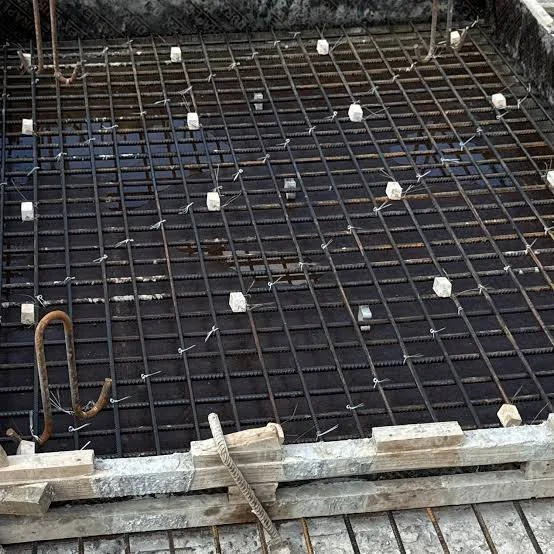
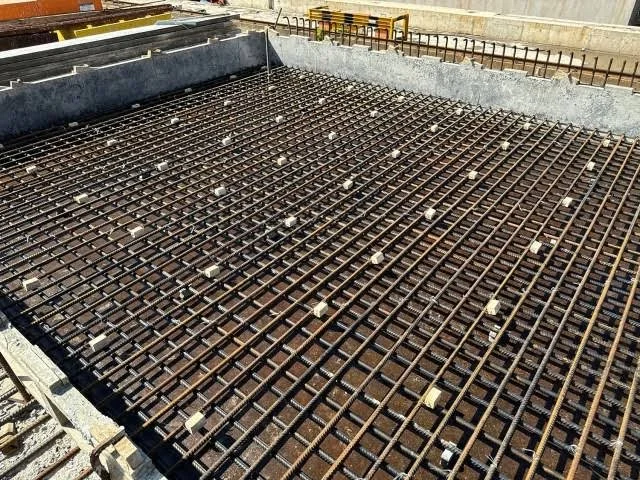
In these applications, anodes are incorporated into the reinforcement arrangement during construction, allowing protective current to be supplied once the system becomes active. Galvanic protection can also be particularly useful at interfaces between new and existing concrete, such as bridge widening works, structural extensions, concrete jacketing and replacement of deteriorated structural sections. These interfaces can experience differences in chloride concentration and electrochemical conditions similar to those encountered during conventional concrete patch repairs.
By incorporating galvanic anodes during construction, engineers can reduce corrosion risks at these vulnerable interfaces before visible deterioration develops. Importantly, galvanic protection does not replace good concrete design. Adequate concrete cover, low-permeability concrete, appropriate crack control and effective waterproofing remain essential. Anodes are an additional durability measure rather than a substitute for these requirements.
How Long Do Galvanic Anodes Last?
The service life of a galvanic anode depends on the amount of sacrificial zinc available, the current demand of the reinforcement and the environmental conditions surrounding the installation. As the zinc corrodes, it is gradually consumed. Once the available sacrificial material has been exhausted, the anode can no longer provide the intended protective current. Some engineered galvanic systems are designed to provide protection over several decades, although their actual performance depends on the specific installation and exposure conditions.
Concrete moisture and resistivity are particularly important. Galvanic systems generally deliver more current when concrete is wet and electrically conductive, which often coincides with conditions where reinforcement corrosion risk is elevated. Conversely, dry or highly resistive concrete can restrict current flow and reduce the level of protection available.
For this reason, galvanic anodes should be selected based on the required service life and corrosion protection objectives rather than simply installed at arbitrary intervals.
Galvanic Anodes vs Protective Coatings
Galvanic anodes and protective coatings address reinforcement corrosion through different mechanisms. Protective coatings are primarily designed to reduce the penetration of moisture, chlorides and other aggressive contaminants into the concrete. Depending on the system, these may include anti-carbonation coatings, elastomeric protective coatings and specialised waterproofing membranes. Galvanic anodes, on the other hand, provide electrochemical corrosion protection to reinforcement that may already be exposed to a contaminated concrete environment. This distinction is particularly important for existing coastal buildings.
Applying a protective coating can reduce further chloride ingress, but it does not remove chlorides already present within the concrete. Where sufficient contamination has already reached the reinforcement, corrosion may continue despite the application of a surface coating. In these circumstances, a combination of targeted concrete repairs, galvanic anodes and protective coatings may provide a more comprehensive durability strategy.
The anodes help control reinforcement corrosion, while the protective coating reduces future moisture and contaminant ingress.
Are Galvanic Anodes Suitable for Every Concrete Repair?
Not necessarily. Galvanic anodes are most beneficial where there is a meaningful risk of corrosion developing or continuing in the surrounding reinforcement. For example, a localised concrete repair caused by accidental mechanical damage may not require galvanic protection if the surrounding concrete is sound and there is no significant corrosion risk.
Similarly, galvanic anodes may not provide sufficient protective current for structures experiencing severe, widespread corrosion. In these situations, engineers may consider more extensive galvanic systems or impressed current cathodic protection, which provides an adjustable external power supply. Other important considerations include electrical continuity between reinforcing bars, compatibility with repair materials, the available concrete cover and the potential influence of coatings or primers on electrical connections.
For major projects, corrosion testing, chloride profiling, carbonation assessment and concrete resistivity measurements can assist engineers in determining whether galvanic protection is appropriate.
Improving the Long-Term Durability of Reinforced Concrete
Galvanic anodes offer an effective means of extending the service life of reinforced concrete structures, particularly where chloride contamination creates an ongoing risk of reinforcement corrosion. For existing buildings, they can be incorporated into concrete cancer repairs to reduce the likelihood of deterioration developing around repair boundaries. In sound but contaminated concrete, specialised systems can provide additional corrosion protection without extensive demolition.
For new construction and major infrastructure rehabilitation, galvanic protection can be integrated into structural elements and concrete interfaces to improve long-term durability and reduce future maintenance requirements. However, galvanic anodes are most effective when incorporated into a broader corrosion management strategy that considers the condition of the existing concrete, environmental exposure, waterproofing, protective coatings and future maintenance requirements.
Specialist Concrete Cancer Repairs in Sydney
At TruBond Concrete Repairs, we specialise in reinforced concrete remediation, including concrete cancer repairs, reinforcement corrosion treatment, structural concrete reinstatement and protective coating systems. For coastal buildings, commercial structures and marine-exposed concrete assets, selecting the appropriate corrosion mitigation strategy is essential to achieving a durable repair.
Whether your project involves deteriorating balcony soffits, corroded reinforcement in suspended slabs or concrete cancer affecting larger structural elements, TruBond can assess the deterioration and work with project engineers to develop a repair methodology suited to the structure and its long-term performance requirements.
Contact TruBond Concrete Repairs to discuss concrete cancer remediation and corrosion protection solutions across Sydney and the Central Coast..